Health Nutrition and Supplements · Public discussion

Supplemental Protein Sources?

Started by GuyNoir · · Last activity · 11 posts · 2,104 views

This thread is locked and is currently read-only.

Thread navigation

Jump through the discussion

Go to the original post, the replies on this page, or the latest preserved contribution.

Thread details

What we know about this thread

Original section
Health Nutrition and Supplements
Published
28 June 2006
Last activity
17 July 2006
Original author
GuyNoir
Posts
11
Discussion status
Public discussion
Total views
2,104
Views / 30 days
0

The navigation and discussion metadata provide context. Posts remain in their original chronological order.

Showing posts 1–11 of 11
Posts remain in their original chronological order.

Text size
  1. Excuse this post if it creeps from the scope of the thread title.

    I am looking for other sources in which I can up my protein intake. Except there is a minor problem: I have developed food allergies (since Dec) against Soy and Wheat. e.g. No post ride protein shakes, pasta, power/cliff bars, etc.

    Since getting on a bike (3 weeks now), trying to drop some of my extra weight (only the extra 30lbs to go), I am finding that my muscle recovery deminishes through the week. To the point that climbing stairs has become a slow and tedious (re: painful) process.

    My ride schedule goes like this:

    Mon-Thurs: 14miles x2 (commute to/from work)
    Friday: 35-50miles

    Morning ride in: 16mph (avg)/ 70-75rpm
    Afternoon ride back: 16-18mph (avg)/ 70-75rpm
    Fridays: 16-18mph (avg) with 28-32mph sprint cycles.

    The morning run is made on an empty tank. (Anyone who was in the Army will remember P.T. before chow.) Then I grab a couple of hardboiled eggs and a banana or cup of mixed melon.

    For lunch, I try to grab a salad with some sort of meat.

    For dinner, I may go for 1000 calories of meat, potato and small salad.

    I am pretty certain that I am not getting enough protein and the muscles are not recovering properly due to it. So I have to find a way to up the protein without cutting too much into my daily caloric deficit. Not to mention eating that much meat in a day is a bit too much to bear.

    My goals for this year is pretty simple: Loose the weight (priority one) and accomplish a century by Sept.

    I have been thinking of checking in with a sports dietician, but thought I would tap into this forum first.

    Thanks,
    GN

  2. GuyNoir said:

    Excuse this post if it creeps from the scope of the thread title.

    I am looking for other sources in which I can up my protein intake. Except there is a minor problem: I have developed food allergies (since Dec) against Soy and Wheat. e.g. No post ride protein shakes, pasta, power/cliff bars, etc.

    GN

    Can you not tolerate whey protein?
    Even better whey isolate will have little effect on the lactose intolerant if you also happen to be lactose intolerant.

    Most whey protein supplements do not contain any soy and definately not wheat. The old school formula of 100% egg protein powder is still available, but most of these egg protein products do not mix quite as well as whey and require a blender. (both egg and whey have very high BV ratings)

    Whey is also tested as one of the highest BV proteins and also is a fast acting or fast digesting source. Meaning that it will be available during the crucial recovery period whereas other protein sources like meat have to go through a digestive process and trickle into the system over a period of hours rather than minutes. This timing can be important to get a jump start on recovery. Of course carbohydrates are very crucial to recovery as well so there are carb sources like maltodextrin and other medium chain carb powders can enhance the post ride recovery drink and will give you a great jump start to recovery while the "window of opportunity" is open.

    In summary there are products available that will be free from wheat and soy. A lot of people are allergic to wheat products so many supplements will purposely list "wheat free" if they are.

    Search around at your local health food store for these type of products if you are interested in keeping a quality post recovery drink available in your schedule.

    I would speak to your doctor that is treating you for the allergies about the products that you intend to use just to get final approval.

  3. You might want to try taking a glutamine supplement before going to bed every night. It helps prevent muscle breakdown (catabolism, I think) while you're sleeping, and it's supposed to be good for your immune system. Helps with muscle recovery too.

  4. GuyNoir said:

    I am pretty certain that I am not getting enough protein and the muscles are not recovering properly due to it.

    You are not getting enough carbohydrates.

    Ric

  5. GuyNoir said:

    Excuse this post if it creeps from the scope of the thread title.

    I am looking for other sources in which I can up my protein intake. Except there is a minor problem: I have developed food allergies (since Dec) against Soy and Wheat. e.g. No post ride protein shakes, pasta, power/cliff bars, etc.

    Since getting on a bike (3 weeks now), trying to drop some of my extra weight (only the extra 30lbs to go), I am finding that my muscle recovery deminishes through the week. To the point that climbing stairs has become a slow and tedious (re: painful) process.

    My ride schedule goes like this:

    Mon-Thurs: 14miles x2 (commute to/from work)
    Friday: 35-50miles

    Morning ride in: 16mph (avg)/ 70-75rpm
    Afternoon ride back: 16-18mph (avg)/ 70-75rpm
    Fridays: 16-18mph (avg) with 28-32mph sprint cycles.

    The morning run is made on an empty tank. (Anyone who was in the Army will remember P.T. before chow.) Then I grab a couple of hardboiled eggs and a banana or cup of mixed melon.

    For lunch, I try to grab a salad with some sort of meat.

    For dinner, I may go for 1000 calories of meat, potato and small salad.

    I am pretty certain that I am not getting enough protein and the muscles are not recovering properly due to it. So I have to find a way to up the protein without cutting too much into my daily caloric deficit. Not to mention eating that much meat in a day is a bit too much to bear.

    My goals for this year is pretty simple: Loose the weight (priority one) and accomplish a century by Sept.

    I have been thinking of checking in with a sports dietician, but thought I would tap into this forum first.

    Thanks,
    GN

    You need more CHO- (as RS pointed out) and Protein which does help with DOMS. You also need to eat more frequently. You should be able to tolerate whey pr-, which is a milk pr-. Many with dairy allergies actually can tolerate whey believe it or not. Take a scoop in the morning and one at nite before bed with water.

  6. [font=Times][font=Times]

    Journal of Sports Science and Medicine - Protein

    [/font][/font]I added this link only as additional reading material regarding protein.

    I also agree that "promptly" replenishing glycogen levels are highly important for recovery.

  7. Thanks for all the info, guys.

    I found something at the LBS called Endurox. One of those post ride supplements that is completely soy free. I don't have any problems with milk, in moderation, so intake of whey is alright. My biggest problem was trying to find a post exercise drink that was free of soy.

    Another revelation that seems to have gone everything the military drove into me was how much better I ride on the return trip home, after work. I know that this is due to having something in the tank to begin with (cadence has increased without burning out). As I mentioned before, anyone who served in the Army can attest to a couple hours of P.T. first thing in the morning (before breakfast).

    I had thought that those rules can still apply as I am trying to loose weight, but finding it not so cut-and-dry.

    I am trying to come up with a plan to incorporate more smaller meals and something to take along on my longer rides. Only problem is I don't want to offset my caloric deficit. For second half of the plan, I did happen to find wheat free products at Wild Oats that fit well into a pocket.

    As for the carbs. I am really unsure how much I should be taking in, as I want to burn off the fat stores that I have been collecting since getting out (of the Army).

    But all-in-all, I am really enjoying riding now. Like many others getting back into it, I hadn't been on a bike in quite a few years. But it sure is nice.

    -GN

  8. GuyNoir said:


    As for the carbs. I am really unsure how much I should be taking in, as I want to burn off the fat stores that I have been collecting since getting out (of the Army).
    -GN

    you need carbs to fuel your exercise and to recover after exercise. increasing CHO intake is protein sparing.

    If you're wanting to lose excess adipose, then you need a negative energy balance, and it doesn't matter where your energy comes from.

    if you increase your CHO intake you'll recover quicker, and train harder and thus expend more energy. although it may appear counter intuitive increasing your energy intake can lead to increased weight loss (as you may be able to substantially increase energy expenditure).

    ric

  9. ric_stern/RST said:


    If you're wanting to lose excess adipose, then you need a negative energy balance, and it doesn't matter where your energy comes from.


    I think I understand. Sort of a "burn gas to extract coal" analogy. Yes, it does sound completely counter-intuitive, but it does make sense. And the afternoon (re: after eating lunch a few hours earlier) times and overall feeling seems to provide the empirical evidence.

  10. page 22 Let's eat right to keep fit by Adelle Davis
    A similar study at Harvard University by Dr Thorn and co-workers who determined blood sugar levels for six hours after meals high in carbohydrates.
    A high-carbohydrate breakfast consisted of orange juice, bacon, toast, jelly, a packaged cereal and coffee, both with sugar and milk. The blood sugar rose rapidly but fell to an extremely low level, causing fatigue and inefficiency. A packaged cereal eaten only with whipping cream for the high-fat breakfast, after which the blood sugar inceased slightly, then remained at the fasting level throughout the morning.
    The high protein meal consisted of skim milk, lean ground beef, and cottage cheese; the blood sugar rose to the high level of 120 milligrams and remained there throughout the entire following six hours.
    To determine the effects of different types of food on energy production, metabolism tests were taken at frequent intervals. The metabolism, or energy production, increased only slightly after the meals high in fat or carbohydrate. After the high-protein meal, however , the metabolism rose more quickly than did the blood sugar and stayed high throughout the entire six hour study period.
    p 23 sugar, cereals, hotcakes fruit, fruit juice quickly changes to sugar during digestion . in minutes blood sugar may increase from 80 to 155 milligrams ..stimulates pancreas to pour forth insulin; the insulin in turn causes the liver and muscles to withdraw sugar and store it as a form of sugar, or glycogen or change it into fat, thus preventing it being lost in urine. The tremendous amounts of sugar defeat the purpose for which sugar is needed -- to produce enegy efficiently. Too much sugar is withdrawn due to the oversupply of insulin; the result, ironically, is fatigue
    p 24 in studies mentioned, efficiency for three hours was produced by only 22 grams or more of protein. Meals furnishing 55 grams protein sustained a high level of energy and a high metabolism for six hours

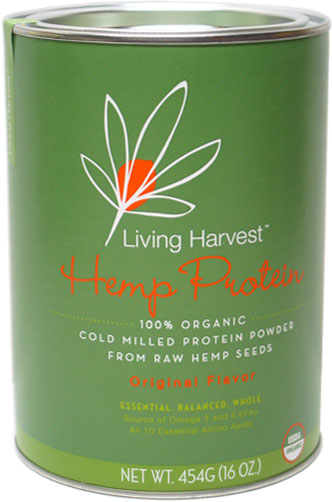
  11. Hemp protein powder:

    Image in Supplemental Protein Sources?

    [IMG]nutivahempshake.comhempshake sml3.jpg[/IMG]

    http://nutivahempshake.com/

    http://www.remyc.com/hempprotein.html

    Image in Supplemental Protein Sources?

    https://secure13.nexternal.com/shared/StoreFront/default.asp?CS=vegane&BusType=BtoC&Count1=766430079&Count2=683570504&ProductID=790&Target=products.asp

    http://gliving.tv/brendan/ - Brendon Brazier, an Ironman champion who uses hemp protein.

    [IMG]manitobaharvest.comFull Product Shot.jpg[/IMG]

    http://www.manitobaharvest.com/index.asp

    Hemp is a complete protein, it contains omega 3 and omega 6 essential fatty acids in the ideal ratio, it is high in fiber, high in vitamins and minerals and hemp seed is considered a superfood.

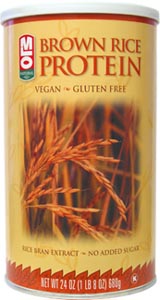
    Another good one is rice protein powder (even better combined with hemp protein powder):

    Image in Supplemental Protein Sources?

    https://secure11.nexternal.com/shared/StoreFront/default.asp?CS=vegane&BusType=BtoC&Count1=139431178&Count2=56571602&ProductID=1065&Target=products.asp

    [IMG]hardbodynutrition.com208051.jpg[/IMG]

    search.cartserver.comsearch.cgi

    Mixing them with rice milk, or almond milk possibly even water is the way to go. Take a good long read of www.notmilk.com before considering the whey stuff again.

Active in the last 60 minutes

Active in this thread

0 users · 0 guests ·0 bots ·0 total

No signed-in users are active right now.

No known search crawlers active right now.